
Roof replacement
Existing roof systems reviewed for removal, substrate condition, material selection, access, protection, and connected details.
Roofing services · Greater Los Angeles
Ravenrock reviews roof replacement, new roofing, repair, flashing, drainage, ventilation, and roof-to-wall transition scopes across Greater Los Angeles.
A useful scope starts here
The field material matters, but many roofing problems occur at transitions: valleys, walls, penetrations, drains, edges, skylights, chimneys, and changes between old and new construction.
Ravenrock begins with roof shape, existing material, leak history, deck condition, drainage, access, and connected wall work. The goal is to define the problem before reducing it to a price per square.
Services reviewed
The final scope depends on plans, existing conditions, access, jurisdiction, and the work already completed.
Existing roof systems reviewed for removal, substrate condition, material selection, access, protection, and connected details.
Roofing scopes coordinated with framing, sheathing, openings, roof edges, exterior walls, and approved project documents.
Leak or damage areas reviewed in the context of material age, previous repairs, transitions, drainage, and surrounding condition.
Roof-to-wall intersections, penetrations, valleys, edges, and changes in material considered as connected water-shedding details.
Slope, drains, scuppers, overflow paths, ponding areas, and surface condition reviewed before a repair or replacement approach is proposed.
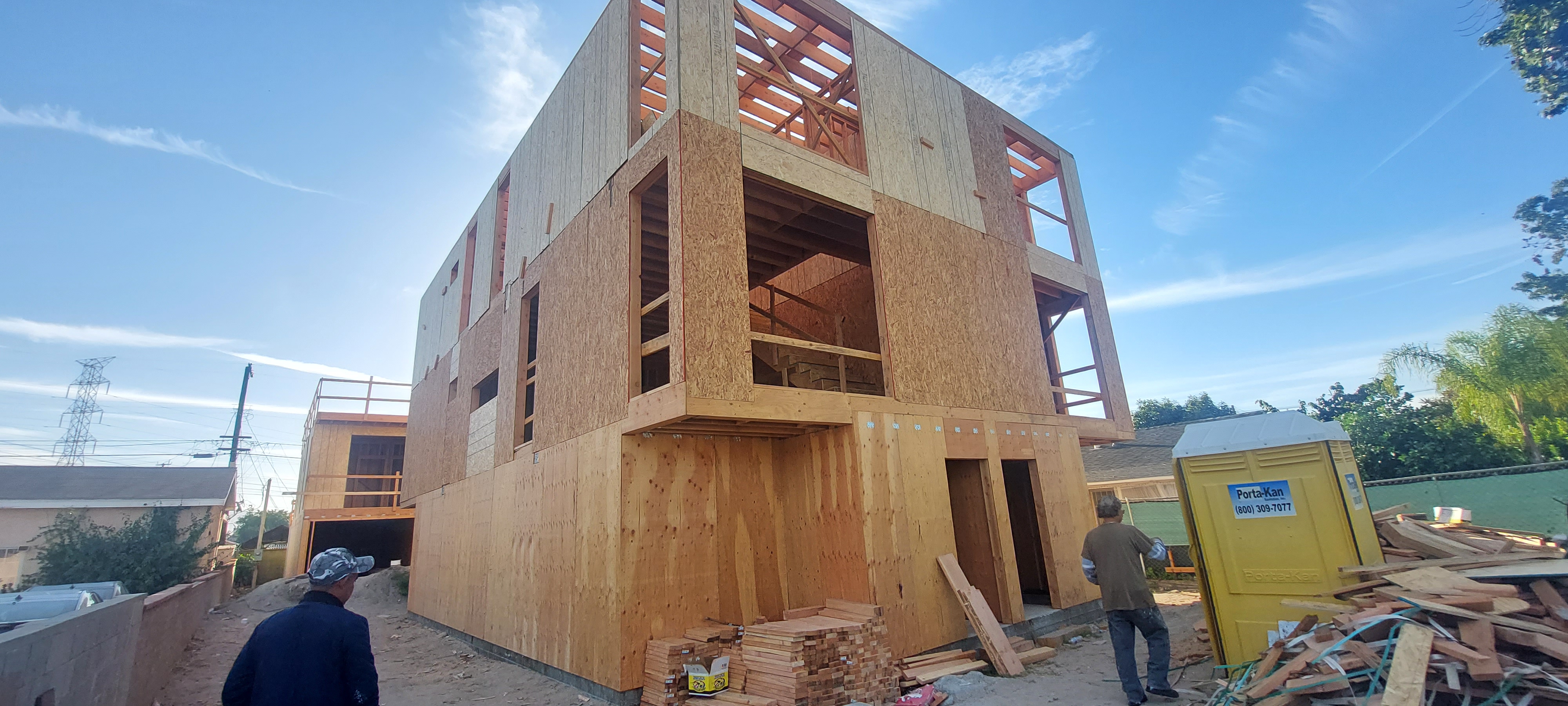
New roof geometry and existing conditions reviewed alongside framing, stucco, weather protection, and sequencing needs.
What affects scope and price
Prepare for the first call
Clear project boundaries
Do not climb onto a roof to collect information. Ravenrock confirms safe access, current conditions, required permits, material requirements, and qualified parties before representing a roofing repair or replacement scope.
Roofing services FAQ
Age alone is not enough. Material condition, number of layers, deck condition, leak history, repair concentration, drainage, transitions, and the remaining serviceability of the full roof all matter.
Photographs can help identify the roof type and visible concerns, but a reliable scope may require measurements, safe roof access, document review, moisture investigation, or selective removal.
Leaks can involve damaged field material, aging underlayment, flashings, penetrations, valleys, roof-to-wall transitions, drains, ponding, sealants, or adjacent exterior assemblies. The visible interior stain may not sit directly below the entry point.
Yes. Roof-to-wall intersections and new-to-existing tie-ins are exactly where sequencing matters. Framing, sheathing, flashing, weather-resistive layers, roofing, and stucco terminations should be planned together.
Start with the facts
Call with the property city or ZIP, a short description of the work, and any plans or photographs available. Ravenrock will identify the next practical step.